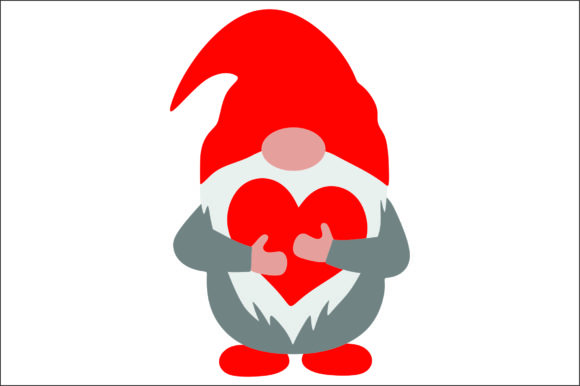
Gnome with Heart Cut Files
As an embroidery designer and product reviewer, I’ve evaluated countless machine embroidery designs. Gnome with Heart Cut Files stands out for its charm and versatility. This design is perfect for custom apparel, baby items, holiday gifts, and more. But like any embroidery file, it has its strengths and limitations that need to be considered before use.
The First Impression
When I first opened Gnome with Heart Cut Files, the design immediately evoked a warm, whimsical mood. The gnome is simple yet expressive, with a heart that adds a touch of sentimentality. The layout is clean, making it ideal for small or medium-sized projects. The level of detail is just right—enough to make the design stand out without being overly complex.
This design feels like it belongs in a handmade shop or on a personalized gift. It’s not too busy, which makes it adaptable to different fabrics and styles. Whether you’re working on a tote bag, a sweatshirt, or a baby onesie, Gnome with Heart Cut Files has a friendly, approachable vibe that appeals to a wide audience.
Real-World Embroidery Use Cases
Testing Gnome with Heart Cut Files on a cotton tote bag gave me a good sense of how it would look in real life. The design translates well to fabric, and the heart adds a nice visual focal point. For a small business owner or Etsy seller, this could be a great addition to a seasonal collection, especially around holidays or winter-themed products.
On a sweatshirt, the design holds up well, but I noticed that the stitch density might require some adjustment depending on the fabric. If you’re using a thin or stretchy material, you’ll want to make sure the stabilizer is properly applied. For baby items, the simplicity of the design is a plus—it’s safe and easy to read, which is important for nursery decor or clothing.
This design also works well as an embroidered patch. Its clean lines make it suitable for applique or satin stitch applications. When used on caps or hats, the design looks good, but you’ll need to ensure the hoop size accommodates the entire image. Smaller hoops may require splitting the design into sections, which can affect the overall look.
Where to Be Cautious
While Gnome with Heart Cut Files is versatile, there are a few areas where it might not perform as well. On textured fabrics, the design could lose some clarity, especially if the stitches aren’t dense enough. Thin or dark fabrics may also pose challenges, as the thread color needs to contrast sufficiently to stand out.
If you’re planning to use this on a layered garment or a curved surface like a cap, be mindful of how the design wraps around. Tiny details or intricate corners might not hold up as well under stress. For commercial embroidery projects, it’s important to test the design thoroughly before committing to large batches.
For digital product sellers, Gnome with Heart Cut Files could be a valuable asset. However, always check the licensing terms before selling finished products or digital files. Some designs have restrictions, so it’s best to confirm before using them in a commercial context.
Design Performance and Visual Appeal
Gnome with Heart Cut Files enhances the visual appeal of any project it’s used on. Its simplicity allows for creative flexibility, whether you’re using it as a standalone design or combining it with other elements. The heart adds a subtle touch of personality, making it ideal for personalized gifts or handmade products that carry emotional value.
In terms of stitching clarity, the design performs well on most standard embroidery machines. However, the stitch density may need tweaking depending on the fabric type. For example, on a stretchy fabric, you might want to increase the density slightly to prevent distortion. On a thick or heavy fabric, you may need to adjust the stitch count to avoid puckering.
From a customer perspective, this design is likely to be well-received. Its nostalgic charm and universal appeal make it a safe choice for many buyers. As a small shop owner or craft business operator, Gnome with Heart Cut Files could help build brand consistency and increase buyer engagement, especially when paired with other holiday or seasonal designs.
Practical Designer Notes
Before finalizing any project with Gnome with Heart Cut Files, I recommend testing it on scrap fabric. This will help you see how the design looks in real life and identify any potential issues. Check the thread color contrast, especially if you’re using a dark fabric. A light-colored thread might not show up well, while a dark thread could clash with the background.
Review the stitch density to ensure it matches your project’s requirements. If the design is too dense, it may cause the fabric to pucker. If it’s too light, the design might not hold up over time. Confirm the hoop size needed for the design, and make sure your machine can accommodate it. For smaller hoops, you may need to split the design into parts.
Inspect the small details carefully. While Gnome with Heart Cut Files is generally well-designed, some areas might need refinement depending on your machine’s capabilities. Test the design in black and white mockups to see how it looks without color. Compare it against both light and dark fabric backgrounds to ensure visibility.
Use the proper stabilizer for the fabric you’re working with. This will help maintain the integrity of the design and prevent shifting during stitching. Make sure the design works for both personal and commercial projects, and always confirm the licensing terms before selling any finished products or digital files.
Final Thoughts
Gnome with Heart Cut Files is a reliable and charming embroidery design that can be used in a variety of projects. Its simplicity, adaptability, and emotional appeal make it a great choice for handmade products, personalized gifts, and small business merchandise. With careful consideration of fabric type, stitch density, and hoop size, this design can elevate your work and add value to your offerings.
Whether you're an Etsy seller, a craft business owner, or a hobbyist, Gnome with Heart Cut Files is worth adding to your design library. Just remember to test it thoroughly and follow best practices for embroidery to ensure the best results every time.