Doodle Heart: Graphics and Decorative Elements
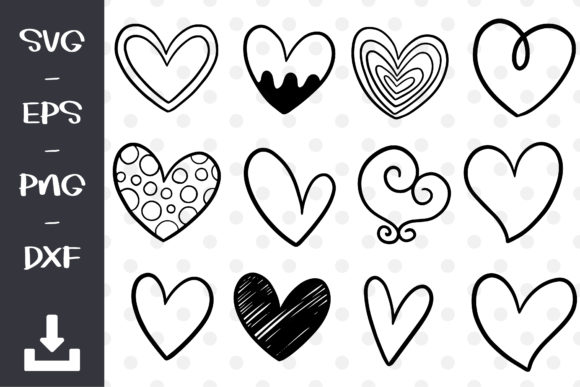
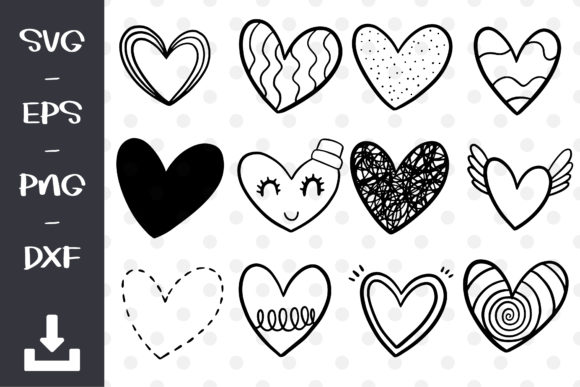
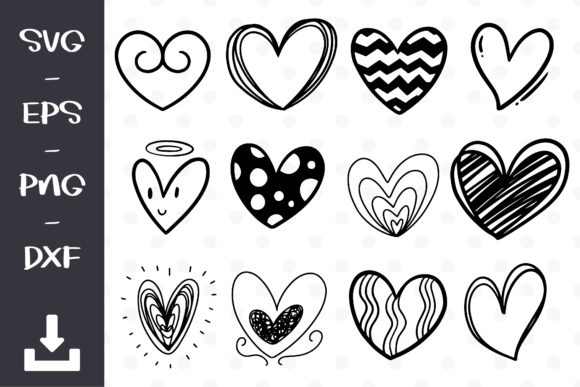
The Doodle Heart graphic design asset immediately catches the eye with its soft, hand-drawn aesthetic. This decorative element feels both playful and elegant, making it ideal for content that leans into lifestyle, fashion, or creative niches. Its transparent SVG format ensures versatility across various platforms and projects, from digital guides to printables.
Editorial Mood and Visual Communication
Doodle Heart evokes a warm, approachable mood. It’s perfect for content that aims to feel personal and inviting. Whether used in blog graphics or social media visuals, this asset can help create a sense of familiarity and trust with readers. Its feminine yet modern design supports content focused on self-care, beauty, DIY projects, or relationship-focused topics.
The subtle imperfections in the doodle style add character without overwhelming the viewer. This makes it an excellent choice for editorial design where visual storytelling is key. The asset’s simplicity allows it to blend seamlessly into layouts while still standing out as a unique touch.
Real Publishing Use Cases
Blogs and publishers can use Doodle Heart in a variety of ways. As a featured image, it adds a personal touch to articles about love, relationships, or creative living. For Pinterest pins, it enhances the visual appeal of content related to crafts, gifts, or home decor. In article headers, it helps draw attention and reinforce the theme of the post.
This design asset also works well in website headers, especially for sites with a creative or lifestyle focus. It can be incorporated into newsletter banners, lead magnets, or downloadable resources like worksheets and printables. Its scalability ensures it looks great in both large hero images and smaller thumbnails.
For digital products, Doodle Heart serves as a strong visual anchor. It can be used in Canva templates, eBook covers, or digital guides to add a cohesive and polished look. Its availability in multiple formats—SVG, PNG, DXF, EPS—makes it easy to integrate into different design workflows.
Supporting Content Performance
Using Doodle Heart can significantly enhance content performance. Its clear visual hierarchy helps guide readers through a page, improving engagement and click-through rates. When paired with strong headlines, it creates a more compelling first impression that encourages further reading.
The asset also supports consistent branding across a website or blog. By using it in multiple areas—such as category thumbnails, social media previews, and affiliate content visuals—it reinforces a unified brand identity. This consistency builds reader trust and makes the content more recognizable.
For publishers working on digital guides or downloadable resources, Doodle Heart adds a professional touch that elevates the perceived value of the content. It can be used as a background overlay, a border, or a decorative accent to make the design more visually appealing.
Where Doodle Heart Excels
This design asset shines in hero images, where it can serve as a focal point. It’s also effective in article thumbnails, helping to catch the eye of potential readers browsing through search results or social media feeds. As a Pinterest pin, it increases the likelihood of being saved and shared.
In editorial accents, Doodle Heart adds a layer of creativity without distracting from the main content. It’s ideal for content upgrades, such as free checklists or printable planners, where a touch of personality can make a big difference. For newsletter headers, it provides a friendly and engaging visual that sets the tone for the content inside.
When used in social media previews, Doodle Heart helps content stand out in crowded feeds. It’s also a great addition to digital ads, where its playful style can resonate with target audiences looking for something fresh and original.
Where to Use with Caution
While Doodle Heart is versatile, it may not work well in every context. On small mobile thumbnails, its details might get lost, making it less effective. In text-heavy blog images, it could compete with the content rather than support it.
On low-contrast backgrounds, the asset may not be visible enough to make an impact. In busy layouts, it could add unnecessary clutter. For serious professional niches or corporate websites, its playful style might not align with the desired tone.
For websites with a very minimal visual system, Doodle Heart might feel too decorative. Publishers should consider the overall design language before incorporating it into their content strategy.
Publisher Notes and Best Practices
Before finalizing any use of Doodle Heart, test it on both desktop and mobile screens to ensure it looks good at all sizes. Check how it appears as a thumbnail, and preview it within a real blog layout to see how it interacts with other elements.
Test the asset with headline text to ensure readability and visual balance. Try it in black and white to assess its effectiveness without color. Place it beside different font styles—serif, sans serif, script, handwritten, and display—to see how it complements each one.
Review the file size for web performance, and compress images properly to maintain fast loading times. Confirm the commercial license before using it on monetized websites, affiliate pages, or paid content products.
As a graphic design asset, Doodle Heart offers a range of possibilities for bloggers, publishers, and content creators. Its ability to enhance blog graphics, editorial design, and web design makes it a valuable addition to any creative toolkit.