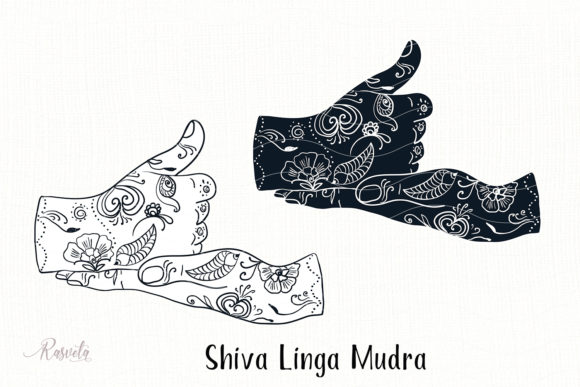
Shiva Linga Mudra Graphics
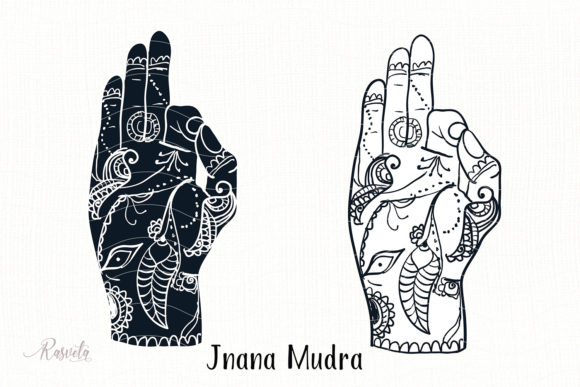
As a brand designer, I often look for graphic design assets that can elevate a small business’s visual identity without overwhelming it. Shiva Linga Mudra, with its intricate mehendi pattern and spiritual symbolism, offers a unique opportunity for local businesses looking to infuse their branding with cultural depth and aesthetic appeal.
The First Impression
Shiva Linga Mudra immediately evokes a sense of calm, spirituality, and artistic craftsmanship. The hand gesture, paired with the traditional mehendi pattern, suggests a brand that values mindfulness, wellness, and authenticity. This makes it ideal for yoga studios, wellness centers, handmade soap businesses, or any local business aiming to create a serene and inviting atmosphere.
The design feels both decorative and meaningful, making it suitable for brands that want to communicate a connection to tradition while maintaining a modern edge. It doesn’t feel overly bold or flashy, but rather elegant and refined—perfect for boutique stores, home decor shops, or seasonal product campaigns.
Real-World Applications
Shiva Linga Mudra can be used in a variety of real-world design scenarios. For instance, in a yoga studio, it could serve as a logo design element or a background for social media graphics. In a handmade soap business, it might appear on product labels, packaging accents, or even as a printable design for customer thank-you cards.
It also works well in product mockups, where it can add visual interest without distracting from the main message. As a decorative brand element, it can enhance the overall look of a business’s marketing visuals, whether they’re for a website banner, flyer, or promotional ad.
Supporting Business Presentation
When integrated thoughtfully, Shiva Linga Mudra can significantly enhance a business’s presentation. It helps create a stronger first impression by adding a touch of sophistication and uniqueness. It also supports better product recognition, especially when used consistently across different materials like packaging, stickers, or menu graphics.
For small business branding, this asset can help establish a more consistent brand identity. It allows for clearer visual hierarchy, ensuring that key messages stand out while still maintaining an aesthetically pleasing layout. It also builds customer trust by presenting a more professional and polished image.
Where It Works Best
Shiva Linga Mudra excels in areas where decorative elements can enhance the overall design without competing with essential information. It’s ideal for product labels, where it can add a subtle yet meaningful touch. It also works well as a hero graphic on a website or as a promotional banner for seasonal campaigns.
For boutique visuals, it can serve as a background or accent element, helping to differentiate a brand from competitors. On social media campaign graphics, it can add cultural flair and emotional resonance, making content more engaging and shareable.
Where to Use It Carefully
While Shiva Linga Mudra is versatile, there are situations where it may not be the best fit. In formal corporate branding, its ornate nature might clash with a minimalist approach. It should also be avoided on very small labels, where details could become too faint or unclear.
In crowded product packaging or ingredient-heavy layouts, it could distract from important text. Similarly, on low-contrast backgrounds, it may not stand out as intended. Luxury minimalist brands may find it too busy, and in designs where decoration competes with critical information, it could reduce readability.
Practical Designer Notes
Before finalizing Shiva Linga Mudra for a project, it’s wise to test it on real packaging mockups. Check how it looks in black and white to ensure it remains effective without color. Preview it on small labels to confirm legibility and clarity.
Test it with your brand colors to see how it integrates into the overall palette. Compare it with competitor packaging to ensure it stands out in a positive way. Check print quality to avoid issues with resolution or detail loss.
Review PNG transparency to ensure it blends well with different backgrounds. Inspect SVG or vector editability to make sure it can be resized or modified as needed. Test it beside various font styles—serif, sans serif, script, handwritten, and display—to see how it complements the typography.
Finally, always confirm commercial licensing before using it for client work, business branding, or physical product sales. Ensure it’s suitable for use in digital products, Canva templates, or creative marketplaces where it may be sold or shared.