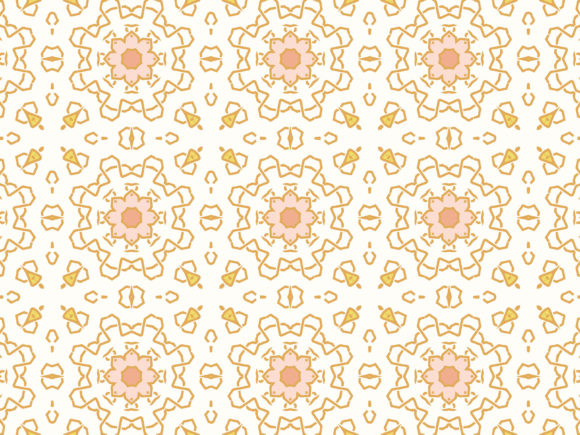
Pattern Colorful Ornament Design
As an embroidery designer and product reviewer, I’ve evaluated countless machine embroidery designs. Pattern Colorful Ornament Design stands out for its vibrant energy and versatile application. It’s a design that feels alive, with bold shapes and a playful aesthetic that can elevate a wide range of projects—from custom apparel to holiday gifts. But like any design, it has its strengths and limitations that need careful consideration before use.
First Impressions: A Design That Commands Attention
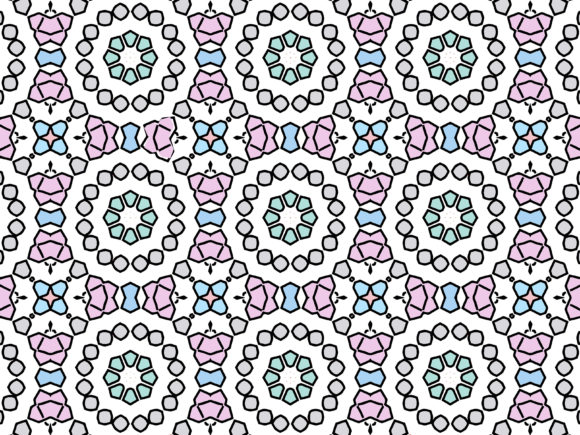
From the moment I viewed Pattern Colorful Ornament Design, I was struck by its visual impact. The color palette is rich and varied, with overlapping geometric shapes and abstract elements that create a sense of movement and depth. It’s not a subtle design—it’s meant to be seen, and it works best on larger surfaces where its details can shine. The layout is balanced but dynamic, making it ideal for projects that require a statement piece rather than something understated.
This design feels most at home in modern or eclectic decor themes. It could work well as a background for a wall hanging, a decorative element on a tote bag, or even as a motif for a seasonal collection. Its seamless nature makes it easy to repeat or scale, which is a big plus for designers looking to create consistent patterns across multiple items.
Real-World Embroidery Use Cases
When I think about how Pattern Colorful Ornament Design would translate into real embroidery work, I imagine it being used on custom apparel, such as a sweatshirt or tote bag. The design’s size and detail level make it a good fit for mid-sized hoops, but I’d caution against using it on very small hoop sizes—there’s a risk of losing some of the finer details during stitching.
For baby items, this design could add a fun and colorful touch to onesies, blankets, or burp cloths. However, I’d recommend testing it on a sample fabric first to ensure the colors don’t bleed or fade after washing. For holiday gifts, like embroidered pillows or aprons, the design’s vibrancy could make it a standout item in a gift shop or Etsy store.
It also has potential as an applique design, especially if you want to layer different textures or add dimension to a project. The intricate shapes could be cut out and sewn onto a base fabric, creating a unique handmade product that appeals to crafters and hobbyists alike.
Where to Use With Caution
While Pattern Colorful Ornament Design is visually appealing, there are situations where it may not perform as well. On thin or stretchy fabrics, the design might look too dense or cause puckering. I’d advise using a proper stabilizer to prevent distortion, especially if you’re working with delicate materials like cotton or polyester blends.
Dark fabrics could also pose a challenge. The bright colors of the design might not show up as clearly, so I’d recommend testing it on a dark background before committing to a full project. Similarly, on curved surfaces like caps or hoods, the design’s complexity could lead to misalignment or uneven stitching.
If you're planning to use this design for commercial embroidery or digital product sales, make sure to check the licensing terms. While the design itself is likely suitable for personal and small business use, it’s always wise to confirm the rights before selling finished products or distributing digital files.
Impact on Visual Appeal and Customer Perception
Pattern Colorful Ornament Design has the potential to significantly boost the visual appeal of any project. Its bold colors and intricate details can make a handmade product stand out in a crowded market. For Etsy sellers or small shop owners, this design could help attract attention and increase buyer engagement, especially when paired with high-quality photography and compelling product descriptions.
However, the design’s density and complexity also mean that stitch density needs to be carefully managed. Too much stitching in one area could result in a stiff or unattractive finish, especially on items that require flexibility, like baby clothes or wearable accessories. Balancing the design’s visual impact with practicality is key to ensuring customer satisfaction.
For creative entrepreneurs, this design could serve as a valuable asset in building a cohesive brand identity. Whether it’s used as a recurring motif in a product line or as a seasonal variation, its versatility allows for creative experimentation while maintaining a professional appearance.
Practical Tips for Embroidery Designers
Before using Pattern Colorful Ornament Design in your own projects, here are a few practical steps I recommend:
- Test on scrap fabric to see how the design looks in real life and how it interacts with different thread colors and fabric types.
- Check thread color contrast to ensure the design stands out on the intended fabric background.
- Review stitch density to avoid over-stitching, which can affect the feel and durability of the finished product.
- Confirm hoop size to ensure the design fits comfortably without being stretched or distorted.
- Inspect small details to make sure they remain visible and intact after stitching.
- Test in black and white mockups to assess how the design translates without color.
- Compare light and dark fabric backgrounds to determine the best application for your project.
- Use proper stabilizer to prevent puckering or shifting during stitching.
- Check licensing to ensure the design is suitable for both personal and commercial use.
By following these steps, you can maximize the potential of Pattern Colorful Ornament Design while minimizing the risk of unsatisfactory results.
Final Thoughts: A Design That Needs Thoughtful Application
Pattern Colorful Ornament Design is a strong contender for those looking to add a vibrant, eye-catching element to their embroidery projects. It’s well-suited for custom apparel, holiday gifts, and small business merchandise, but it requires careful consideration of fabric type, hoop size, and stitch density to achieve the best results.
For designers and crafters, this design offers a lot of creative potential, but it also demands a thoughtful approach. When used correctly, it can enhance the visual appeal of a handmade product, increase customer interest, and contribute to a more professional presentation. Just remember to test it thoroughly and consider the practical aspects of each project before finalizing your design choices.